Why is my basement leaking water in Newark
Your Newark basement is leaking because of hydrostatic pressure, failed waterproofing, or blocked drainage. Here are the real causes, costs, and fixes.
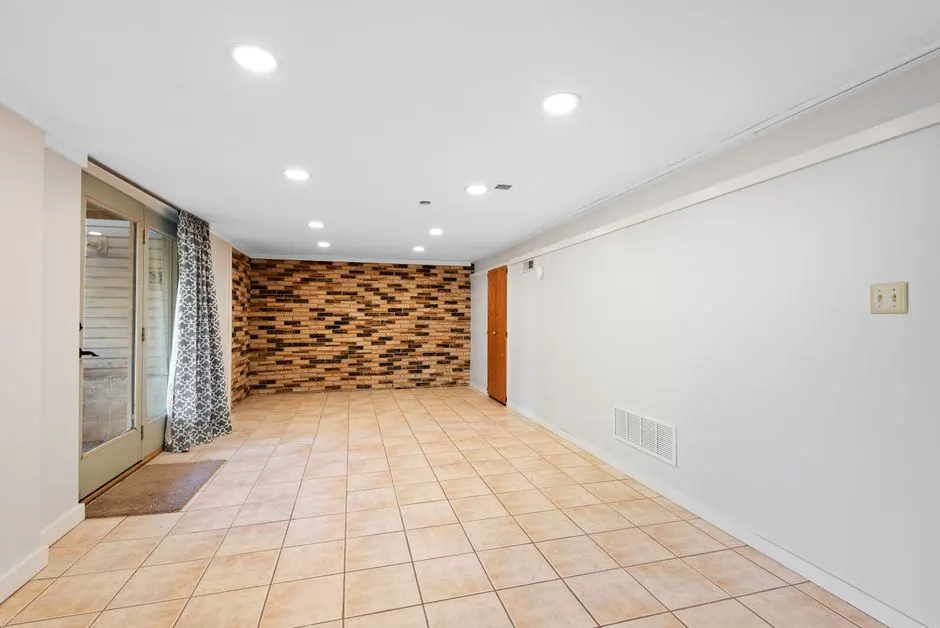
Your Newark basement is leaking because water is finding a path through your foundation walls or floor - most often from hydrostatic pressure, failed waterproofing, or a blocked drainage system. That water isn't coming from nowhere. It's the same groundwater that has been moving under this city for a century, and when the soil around your foundation gets saturated, it pushes in. This guide covers the seven causes we see most often in Newark, what it costs to fix them in 2026, and exactly what to do when you find water where it shouldn't be.
The Short Answer: Why Newark Basements Leak
Basement leaking water in Newark NJ is a drainage and pressure problem, not a wall problem. The water table under Newark sits high in many neighborhoods - the Ironbound, Downtown, and parts of the Central Ward were built on filled marshland and creek beds. When it rains hard, that soil can't absorb fast enough. Water builds up against your foundation, finds the weakest point, and comes through.
Older homes make it worse. Most Newark housing stock dates to between 1900 and 1950, which means stone or brick foundations, original clay drain tiles, and waterproofing that stopped working decades ago. A 1920s foundation was never designed for the volume of water a modern storm dumps on it in an hour.
So the answer to why is my basement leaking water in Newark NJ is usually one of three things: pressure pushing water through porous masonry, a failed or missing drainage system, or a specific defect - a crack, a pipe penetration, a window well - that lets water in. The rest of this post breaks down which one you're dealing with and how to stop it.
The 7 Most Common Causes of Basement Leaks in Newark
Common causes of basement leaks in Newark New Jersey come down to seven specific failures. We've pulled water out of basements in every ward in this city, and it's almost always one of these.
1. Hydrostatic Pressure and a High Water Table
Hydrostatic pressure is the force of saturated soil pushing water against your foundation. In Newark, the water table can sit as little as 3 to 4 feet below grade in low-lying areas. After a 2-inch rain, that soil is fully saturated and the pressure against your walls can exceed 1,000 pounds per square foot. Water will find a way in - through mortar joints, hairline cracks, or the cove joint where the wall meets the floor.
2. Failed or Missing Interior Drainage
A French drain or interior perimeter drain collects water under the slab and moves it to a sump pit. If your home has one and it's 30 years old, the pipe may be crushed, clogged with silt, or the sump pump may have failed. We find dead sump pumps in roughly one out of three Newark basements we inspect.
3. Foundation Cracks and Porous Masonry
Concrete block and brick are porous. A foundation leak in Newark New Jersey often starts as a hairline crack you can barely see, then widens with freeze-thaw cycles. Stone foundations - common in Forest Hill and Weequahic - leak through the mortar itself, not just cracks.
4. Blocked or Broken Downspouts and Gutters
This is the cheapest fix and the most overlooked. If your downspouts discharge within 3 feet of the foundation, you're dumping roof water directly into the soil around your basement. In Newark's dense neighborhoods, downspouts often run into old clay leader lines that collapsed years ago.
5. Grading That Slopes Toward the House
Soil settles over time. If the ground around your foundation slopes back toward the wall instead of away from it, every rain sends water straight to your basement. We look for at least a 6-inch drop over the first 10 feet.
6. Window Wells and Bulkhead Doors
Basement windows and Bilco-style bulkhead doors leak when their seals fail or when the well fills with debris. A clogged window well drain turns into a swimming pool against your basement window during a storm.
7. Plumbing and Sewer Line Leaks
Not every wet basement comes from outside. A pinhole leak in a supply line, a failed wax ring, or a backed-up sewer line can put water on your floor. If the water appears when you're not using fixtures and there's been no rain, suspect plumbing. That's when you need water leak restoration Newark NJ rather than exterior waterproofing.
Why Does My Newark NJ Basement Leak in Spring?
Spring is the worst season for Newark basements because you get three water sources at once: snowmelt, heavy rain, and a rising water table. The ground is still partially frozen in March, so meltwater can't soak in - it runs along the surface and against your foundation. Add a 2-inch April storm and the soil is fully saturated for weeks.
Fall and winter bring a different problem. From November through February, we see fewer rain-driven leaks and more burst-pipe calls. A supply line in an unheated basement or crawl space can freeze when temps drop below 20°F, then split and release water when it thaws. If you're reading this in late 2026, now is the time to insulate exposed pipes before the first hard freeze.
Summer storms matter too. Newark gets intense, short-duration downpours in July and August that overwhelm storm sewers. When the city system backs up, water can enter through floor drains and basement fixtures - a sewage backup rather than a clean-water leak. That's a different job, and it needs sewage cleanup Newark NJ because of the contamination risk.
How to Stop Basement Water Seepage in Newark NJ
How to stop basement water seepage Newark NJ depends on whether the water is coming through the wall, the floor, or a fixture. Here's the order we work in, from cheapest to most involved.
- Fix the outside first. Clean gutters, extend downspouts 6 to 10 feet from the foundation, and regrade soil so it slopes away. This alone solves roughly 20% of the leaks we see.
- Repair cracks and joints. Injecting cracks with polyurethane or epoxy stops active leaks through concrete walls. It's not a waterproofing system - it's a targeted repair.
- Install or repair interior drainage. An interior perimeter drain with a sump pump handles hydrostatic pressure. Expect $4,000 to $9,000 depending on basement size and access.
- Waterproof the walls. Crystalline waterproofing or a dimple membrane on the interior face keeps moisture from wicking through masonry.
- Address plumbing leaks separately. If the source is a pipe or fixture, fix that first. Exterior waterproofing won't stop a supply line leak.
Basement leak repair Newark New Jersey cost in 2026 runs from about $500 for a single crack injection to $12,000 or more for a full interior drainage and waterproofing system. Most Newark homeowners we work with land in the $2,500 to $6,000 range.
What to Do When Your Basement Floods in Newark NJ
What to do when basement floods Newark NJ: get the water out fast, then dry everything within 24 to 48 hours. Mold can start growing on wet drywall and framing in as little as 24 hours, and Newark's humid summers speed that up.
- Kill the power to the basement at the breaker if it's safe to reach. Never wade into standing water near outlets or appliances.
- Document everything with photos and video before you move anything. Your insurance adjuster will want it.
- Call for water removal. A wet/dry shop vac won't keep up with a flooded basement. You need truck-mounted extraction and commercial air movers.
- Pull wet items up. Cardboard, rugs, and fabric wick water into walls. Get them out.
- Don't run your HVAC if the water reached the unit. You'll spread contamination through the house.
If you're standing in 2 inches of water right now, call us. Our team handles basement flood cleanup Newark NJ around the clock, and we can usually have extraction equipment running within the hour.
What to Watch Out For: Common Mistakes
The most expensive mistake Newark homeowners make is painting over a leaking wall with waterproof paint and calling it fixed. That paint traps moisture inside the masonry. The wall spalls, the mortar degrades, and you've made the underlying problem worse.
Other mistakes we see regularly:
- Ignoring a small leak. A slow seep that leaves a damp patch is a warning. Left alone for a season, it becomes a cracked floor slab or a mold colony.
- Running a dehumidifier and stopping there. A dehumidifier manages humidity. It does not stop water from entering.
- Hiring a waterproofing company that only does exterior excavation. In dense Newark neighborhoods, you often can't dig up the outside - the house next door is 4 feet away. Interior systems are usually the right answer here.
- Skipping the mold check. If your basement has been wet for more than 48 hours, assume mold is present. We test for it and handle mold remediation after water damage Newark NJ as part of the same job.
- Not documenting for insurance. Most Newark homeowners' policies cover sudden water damage but not long-term seepage. The distinction matters, and photos help.
When to Call a Professional
Call a professional when the water keeps coming back after you've cleared gutters and regraded, when you see standing water more than a quarter-inch deep, or when the leak appears near electrical panels, furnaces, or water heaters. Those are safety issues, not DIY projects.
At SwiftReclaim, we handle the whole job: find the source, extract the water, dry the structure, treat for mold if needed, and repair the damage. We work in homes across Water Damage Restoration in Ironbound and every other Newark neighborhood, and we know how these older foundations behave. If you've got water where it shouldn't be, we'll tell you what's causing it and what it takes to fix it.
Frequently Asked Questions
Why is my basement leaking water in Newark NJ?
Hydrostatic pressure from a high water table is the leading cause, followed by failed interior drainage, foundation cracks, and blocked downspouts. Newark's older masonry foundations and dense soil make all four more likely. Most leaks we inspect trace back to water pooling against the foundation with nowhere to go.
How do I stop a basement leak in Newark New Jersey?
Start outside: clear gutters, extend downspouts 6 to 10 feet, and regrade soil to slope away. If water still comes in, you need interior drainage or crack injection. Full repairs run $500 to $12,000 in 2026, with most jobs between $2,500 and $6,000.
Is a leaking basement in Newark NJ dangerous?
Yes, in three ways. Water near electrical panels or outlets is a shock hazard. Wet basements grow mold within 24 to 48 hours, which affects air quality upstairs. And long-term seepage weakens mortar and can undermine the foundation over years.
Who fixes basement leaks in Newark NJ?
A water damage restoration company handles the full job - source identification, water extraction, structural drying, mold treatment, and repairs. SwiftReclaim serves all Newark neighborhoods and can usually be on-site within the hour for active leaks.
Does basement seepage in Newark New Jersey cause mold?
Yes. Mold needs moisture and organic material, and a damp basement provides both. Visible mold can appear in 24 to 48 hours after a leak. Even without visible growth, elevated humidity above 60% supports hidden mold inside wall cavities and under flooring.
Get Help with Water Damage Restoration in Newark
A leaking basement doesn't fix itself, and every day you wait, the damage gets more expensive. We'll find the source, stop the water, and dry your basement out - usually the same day you call.
Call SwiftReclaim at (973) 973-2565 for Water Damage Restoration in Newark. We answer 24 hours a day.