Brown water stains spreading across the ceiling
We trace the stain back to the source with a moisture meter, fix the leak, dry the cavity, and replace any damaged drywall before priming and painting the ceiling.
When water stains spread across your ceiling, you need ceiling water damage repair Newark NJ residents trust. We find the source, stop the leak, and restore your ceiling before mold sets in. From Ironbound to Forest Hill, our licensed team handles roof leaks, burst pipes, and upstairs overflow damage with same-day response and upfront pricing.
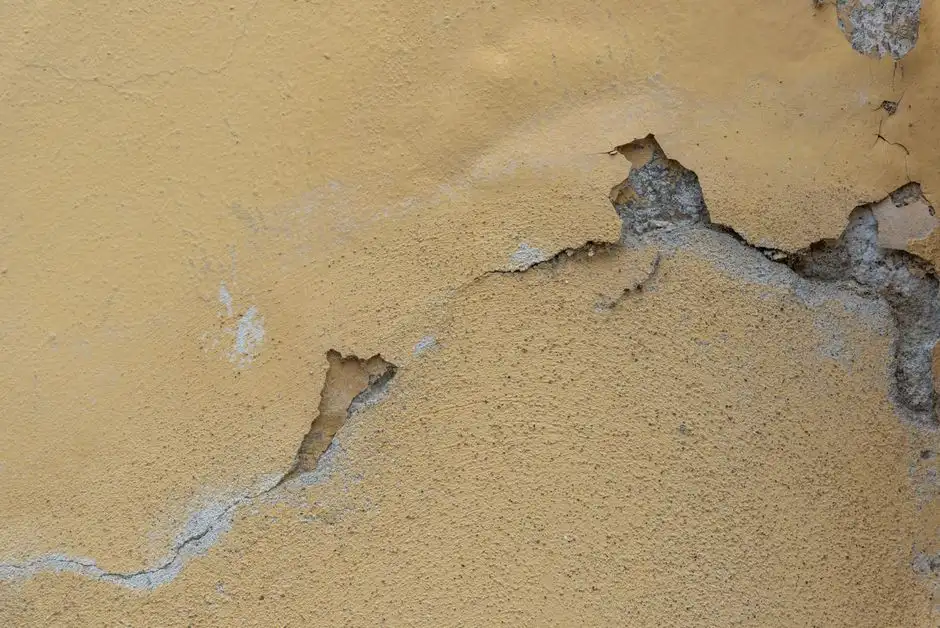
Ceiling water damage repair Newark NJ is the process of finding the source of moisture above your ceiling, stopping it, and restoring the drywall, insulation, and finish so the ceiling is structurally sound and stain-free. Water travels along joists and pipes, so the visible stain is rarely where the leak started. We use moisture meters and thermal imaging cameras to trace the path before we cut anything.
Newark's older housing stock, especially in Clinton Hill and Vailsburg, means galvanized pipes, flat roofs, and original plaster ceilings that hide leaks until they sag. A ceiling stain water damage Newark NJ homeowners notice after a heavy rain often signals a roof leak ceiling repair Newark issue that has been dripping for weeks. We handle the repair and the restoration in one visit so you are not calling two contractors.
Every ceiling water damage repair Newark NJ job includes the core scope below. If your situation needs something extra, like mold remediation or a plumbing repair, we tell you before we start and price it separately so there are no surprises.
We inspect the ceiling, attic, and floor above with moisture meters, thermal imaging cameras, and inspection cameras to find exactly where the water is coming from.
Truck-mounted extractors pull standing water. Commercial dehumidifiers and air movers dry the ceiling cavity and framing to below 16 percent moisture content.
We apply antimicrobial solution to framing and surrounding materials to stop mold growth before it starts. This is standard on every ceiling job we do.
Saturated or sagging drywall comes down. We install new board, tape, mud, and texture to match the existing ceiling so the repair blends in.
We prime and paint the repaired area. If the ceiling has a texture, we match it. The goal is a ceiling that looks like the leak never happened.
Before we leave, we re-check moisture readings and confirm the leak is stopped. You get before-and-after photos and a written summary of the work.
You call, we ask a few questions about the leak, and we dispatch a crew. Most Newark addresses see a technician within 60 to 90 minutes. We bring extraction and drying equipment on the first trip so nothing waits.
We inspect the ceiling, attic, and floor above using moisture meters and a thermal imaging camera. If the source is not obvious, we run an inspection camera or hydrostatic pressure test kit to confirm whether it is a supply line, drain, roof leak, or appliance leak.
Standing water and saturated insulation come out first. We use a truck-mounted water extractor and submersible pump for bulk water, then set commercial dehumidifiers and air movers to pull moisture from framing and drywall cavities.
Once the structure is dry, we cut out damaged drywall, treat framing with antimicrobial solution, and install new board. We match texture and paint so the ceiling looks like nothing happened. Most ceilings are back to normal in two to four days.
Before we pack up, we re-check moisture readings, confirm the leak is stopped, and walk you through the work. You get photos of the before and after, plus a written summary of what was repaired and what to watch for.
Purpose-built equipment, used by trained technicians — so the job is done accurately the first time.
Reads moisture content in drywall, framing, and insulation so we know exactly how far the water traveled.
Shows temperature differences behind the ceiling, revealing hidden moisture without cutting exploratory holes.
Pulls hundreds of gallons of standing water from ceilings and floors faster than portable units.
Dri-Eaz and Phoenix units remove moisture from the air so the ceiling cavity dries in days, not weeks.
High-velocity fans push air into ceiling cavities and across wet surfaces to speed evaporation.
Filters airborne mold spores and dust during drywall removal and remediation work.
Lets us see inside ceiling cavities and behind walls without tearing everything open.
A supply line burst above the kitchen during a January cold snap. Water soaked the ceiling, stained two rooms, and left the drywall sagging in a three-foot section.
We extracted 40 gallons, dried the ceiling cavity in three days, replaced the sagging drywall, and repainted. Moisture readings dropped from 28 percent to 11 percent.
A roof flashing failure let water into the ceiling of a second-floor bedroom for weeks. The stain was 18 inches wide and the insulation above was saturated.
We repaired the ceiling drywall, replaced the wet insulation, and dried the framing. The ceiling was repainted to match, and the leak path was documented for the roofer.
An upstairs toilet overflowed and sent Category 2 water through the ceiling of the first-floor hallway. The drywall was soft and the ceiling smelled musty.
We removed the damaged drywall, treated the framing with antimicrobial solution, dried the cavity, and installed new board. The hallway ceiling was repainted and the odor was gone.
Most ceiling calls fall into a handful of categories. Here is what we see most often and how we handle each one.
Ask a pro →We trace the stain back to the source with a moisture meter, fix the leak, dry the cavity, and replace any damaged drywall before priming and painting the ceiling.
We puncture and drain the bulge safely, extract standing water, and remove the failed drywall. New board goes up once the framing is dry and treated.
We inspect the roof, flashing, and attic during the dry period, find the entry point, and repair the ceiling damage from the inside once the roof is sealed.
We fix the source, dry both levels, and repair the ceiling. If the subfloor is saturated, we handle that too so the repair does not fail later.
Most ceiling water damage repair Newark NJ jobs run $350 to $1,800. A small stain with no drywall replacement typically lands near the low end. If the ceiling needs cut-out, new drywall, insulation, and paint, expect the higher end. Emergency calls, attic access issues, and mold treatment add to the total.
Call a licensed water damage restoration company that handles both the leak source and the ceiling repair. We fix the plumbing or roof issue, extract water, dry the structure, and replace damaged drywall. You do not need a separate plumber and drywall contractor for most ceiling leak repair Newark New Jersey jobs.
Yes, when the drywall is saturated, sagging, or moldy. We cut out the damaged section, treat the framing, and install new board. Small stains that are dry and structurally sound can sometimes be sealed and painted. We check moisture content with a meter before deciding.
The leak repair itself usually takes two to four hours. Drying the ceiling cavity takes two to four days with commercial dehumidifiers and air movers. Drywall replacement and painting add another one to two days. Most customers are back to normal within a week.
 Flood Restoration ServicesWhen ceiling water damage Newark NJ comes from a storm or upstairs flooding, our flood restoration crew handles the full scope, from extraction to drywall and paint.Explore →
 Emergency Water RemovalStanding water above your ceiling needs to come out fast. We use truck-mounted extractors and submersible pumps to clear water before it spreads to walls and floors.Explore →
 Mold Remediation After Water DamageCeiling leaks often leave hidden mold growth in insulation and framing. We test, contain, and remediate to ANSI/IICRC S520 standards so your air stays clean.Explore →
 Water Leak RestorationFrom slab leaks to appliance leaks, we find the source and restore the damage. Ceiling water damage repair Newark NJ often starts with a leak you cannot see.Explore →
 Emergency Water CleanupCategory 1, 2, or 3 water all need different handling. We identify the category and clean accordingly, including sewage backup and basement flooding.Explore →
 Water ExtractionOur truck-mounted water extractor pulls hundreds of gallons from saturated ceilings and floors. Fast extraction means less drywall replacement and lower repair costs.Explore →
 Water Damage MitigationMitigation stops the damage from spreading. We tarp, board, and dry affected areas so a small ceiling leak does not turn into a full-room renovation.Explore →
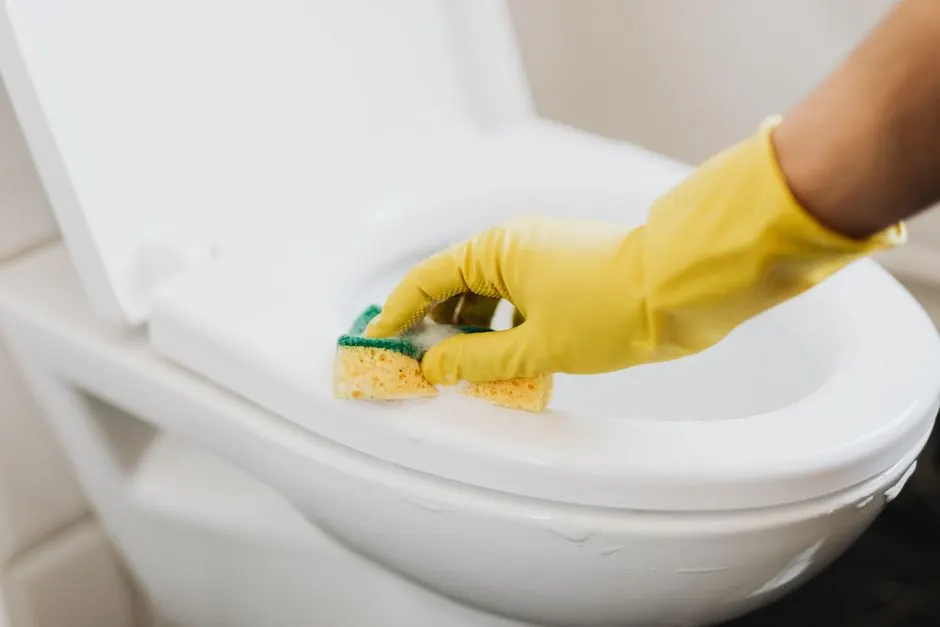 Toilet Overflow CleanupAn upstairs toilet overflow often shows up as a ceiling stain below. We clean, sanitize, and repair the ceiling and the bathroom above it.Explore →
A ceiling stain means water is still moving. Call us now and we will find the leak, stop it, and dry your ceiling before mold starts. Licensed, insured, and answering 24/7 across Essex County.
Call Now (973) 973-2565 →Call us any time at (973) 973-2565 for emergency water damage restoration in Newark. We answer 24/7 and dispatch crews around the clock. For non-emergency questions or to schedule an inspection, email [email protected] or stop by our office. We serve all of Newark and Essex County.