Signs of Hidden Water Damage Behind Walls
Musty smells, bubbling paint, and soft drywall are the quiet warnings of hidden water damage behind walls in Newark NJ. Here is how to catch them early.
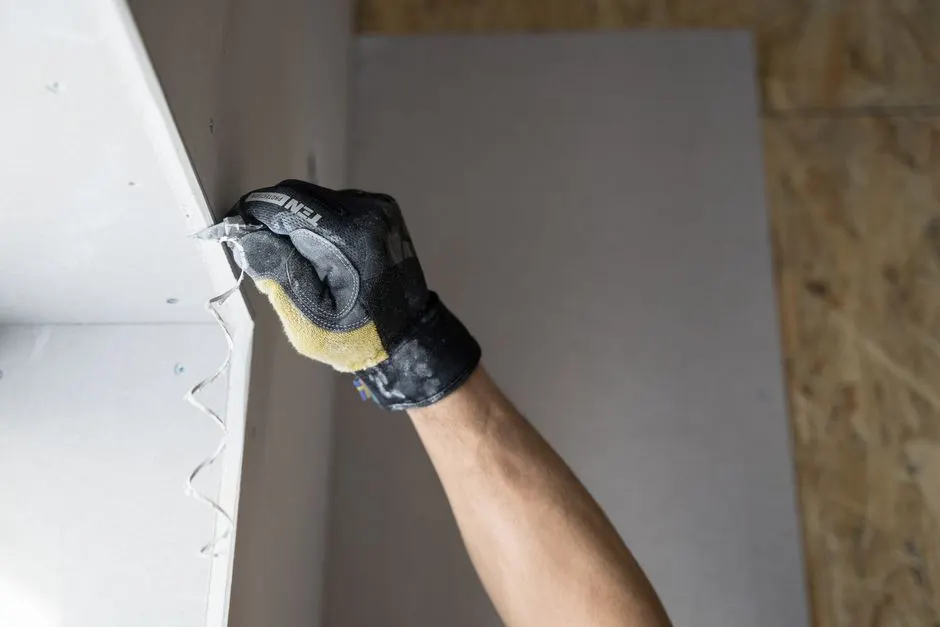
The signs of hidden water damage behind walls in Newark NJ are a musty smell that will not go away, paint that bubbles or peels without a visible cause, drywall that feels soft or spongy, and brown or yellow stains spreading on the wall. These clues mean moisture has been trapped inside the wall cavity long enough to soak the drywall, insulation, and framing.
Hidden water damage behind walls is a moisture problem inside a closed wall cavity that shows up on the surface as stains, odor, or texture changes before you ever see a drip. We are going to walk through the specific signs, how to check for them yourself, why Newark's brick rowhouses and older plumbing make this worse, and when it is time to call in a professional.
What Hidden Water Damage Behind Walls Actually Looks Like
Hidden water damage behind walls in Newark New Jersey usually starts as a slow supply-line drip, a failed wax ring, or a roof flashing leak that drips inside the wall cavity instead of onto the floor. The water wicks through insulation and drywall paper, and the first thing you notice is rarely water - it is a change in how the wall looks or smells.
Wall water damage symptoms in Newark show up in a predictable order. First comes discoloration: a faint tan or rust-colored bloom near the baseboard, behind a radiator, or under a window. Next, the paint or joint compound starts to release from the drywall, so you see bubbling, cracking, or peeling paint water damage behind wall surfaces. Then the drywall itself softens. Press your thumb into the spot. If it gives, the paper facing has already lost its bond.
Concealed leak signs Newark NJ homeowners describe to us most often are the ones you cannot see at all: a faint sewer or damp-earth smell in a hallway, a baseboard that pulls away from the wall, or a section of floor that feels slightly springy underfoot. Those are the calls where we open the wall and find framing that has been wet for weeks.
The Early Warning Signs Most Newark Homeowners Miss
Early signs of wall water damage Newark New Jersey residents overlook are small, and they are easy to write off as old-house quirks. Here is what to watch for:
- Musty smell behind wall New Jersey - a damp, earthy odor in one room that gets stronger when the heat kicks on in November and December.
- Water stain on wall Newark NJ - a tan, brown, or copper-colored ring, even a small one, especially near a ceiling line or above a baseboard.
- Paint or wallpaper that bubbles - the paper separates from the drywall because moisture is pushing from behind.
- Soft or crumbly drywall - press gently; healthy drywall is firm, wet drywall dents.
- Warped baseboards or door frames - wood swells when it absorbs water, so trim pulls away or a door starts sticking.
- Peeling paint on the ceiling below a bathroom - a classic sign of a tub or toilet leak above.
- A water bill that jumped - if usage rose 10 to 20 percent with no change in habits, a supply line is likely leaking inside a wall.
One or two of these on their own might be nothing. Three or more in the same room means moisture has been sitting in that wall cavity for a while, and it is time to investigate. If you are already seeing water on the floor, our team handles water leak restoration Newark NJ and can trace the source before it spreads.
How Do I Check for Water Damage Behind Walls in Newark New Jersey?
You can check for water damage behind walls in Newark New Jersey with a moisture meter, a flashlight, and a careful walkthrough - no demolition required for the first pass. Here is the sequence we use on a first inspection.
- Walk the perimeter of each room. Look at the bottom 12 inches of every wall, around every plumbing fixture, and under every window. Stains and bubbling show up there first.
- Smell the room with the door closed for 10 minutes. A musty odor that intensifies in a closed room points to a specific wall.
- Press the drywall. Use your thumb, not your fingernail. Soft spots, especially near a tub, toilet, or sink, are a strong indicator.
- Use a pin-type moisture meter. These cost $30 to $80 at a hardware store. A reading above 16 percent on drywall or 20 percent on wood framing means the material is holding moisture.
- Check the water bill. Compare this month to the same month last year. A 10 to 20 percent jump with no lifestyle change usually means a hidden leak.
- Look in the basement or crawl space directly below the suspect wall. Water travels down. A damp joist or a stain on the subfloor tells you where the leak started.
If you find a wet wall, do not wait. Drywall that stays wet for more than 48 hours starts growing mold, and the repair cost climbs fast. We handle water damage mitigation Newark NJ and can dry the cavity without tearing out more than necessary.
Why Newark's Older Housing Stock Makes This Worse
Newark's housing stock makes hidden water damage more likely and harder to spot than in newer suburbs. Most of the city's rowhouses and two- and three-family homes were built between 1900 and 1950, and the plumbing has been patched, replaced, and added to several times since.
Galvanized steel supply lines, common in pre-1960 Newark homes, corrode from the inside out. They do not fail with a dramatic burst - they weep at joints inside the wall for months. Cast-iron drain stacks crack at the hub, and the leak drips behind the kitchen wall instead of onto the floor. Flat and low-slope roofs on Ironbound rowhouses and Central Ward buildings leak at flashing, and the water runs down inside the wall cavity.
Brick exteriors add another layer. Brick absorbs and holds water after a heavy rain, and if the mortar joints or flashing are failing, that moisture migrates inward. We see this most often in Water Damage Restoration Ironbound and in the older blocks of the Central Ward, where a leak that started at the roofline shows up as a stain on a first-floor wall.
If your home has any of these features, check the walls after every heavy rain and every time the heat comes on for the season. That is when hidden moisture makes itself known.
Can Hidden Water Damage Behind Walls Cause Mold in Newark NJ?
Yes - hidden water damage behind walls in Newark NJ causes mold in almost every case where the moisture has been present for more than 48 to 72 hours. Mold spores are already in the air; they only need moisture and a food source, and drywall paper is an ideal food source.
The mold you see is rarely the whole problem. By the time black or green spots appear on the surface, the colony has usually spread through the back of the drywall and into the insulation. That is why we treat the wall cavity, not just the visible stain. Our team handles mold remediation after water damage Newark NJ with containment and HEPA filtration so spores do not spread to the rest of the house during removal.
Health effects are real. People living with hidden mold report headaches, sinus congestion, and coughing that gets worse at home and better when they leave. If anyone in your household has asthma or allergies, do not wait on a visible stain to act.
What to Watch Out For
The most common mistake we see is treating the symptom instead of the source. Painting over a water stain hides it for a few weeks, but the moisture keeps working on the drywall and framing underneath.
Other mistakes that cost Newark homeowners money:
- Assuming a small stain is old. A stain that is dry to the touch can still sit above a wet cavity. Always check with a moisture meter.
- Running a fan and calling it dried. Air movement does not dry the inside of a wall cavity. You need dehumidification and, in most cases, professional drying equipment.
- Ignoring a musty smell in a closet or hallway. Odor is the most reliable early sign of hidden water damage, and it is the one people dismiss most often.
- Waiting for the next rain to "see if it comes back." Every rain cycle adds more water to a cavity that is already wet.
- Hiring a handyman to patch the drywall without fixing the leak. The patch will fail, and you will pay twice.
If you are not sure whether a stain is active, call us. We can meter the wall and tell you in 15 minutes whether it is a cosmetic issue or a live leak. We also handle ceiling water damage repair Newark NJ when the source is above the room you are looking at.
When to Call a Professional
Call a professional when you find any of the following: a moisture meter reading above 16 percent on drywall, a musty smell that returns after ventilation, a stain that grows or darkens over a week, soft drywall, or a water bill that jumped without explanation.
SwiftReclaim handles hidden water damage in Newark homes every week. We find the source, extract standing water if there is any, dry the cavity with commercial equipment, and treat for mold if it is already present. We give you a clear price before we start, and we tell you what we found so you can decide what to fix next.
If you are seeing water actively running or a ceiling that is sagging, that is an emergency. Our team provides emergency water removal Newark NJ around the clock, and we can be at your door fast.
Frequently Asked Questions
What are the signs of hidden water damage behind walls in Newark NJ?
The main signs are a musty odor that will not clear, paint that bubbles or peels, soft or spongy drywall, brown or yellow stains, warped baseboards, and a water bill that jumped 10 to 20 percent. Any three of these together mean moisture has been in the wall for a while.
How do I check for water damage behind walls in Newark New Jersey?
Walk each room and look at the bottom 12 inches of every wall, press the drywall for soft spots, and use a $30 to $80 pin-type moisture meter. A reading above 16 percent on drywall means the wall is wet. Check the basement or crawl space below the suspect wall for stains.
Can hidden water damage behind walls cause mold in Newark NJ?
Yes. Mold can start growing on wet drywall in 48 to 72 hours. By the time you see surface spots, the colony has usually spread through the back of the drywall and into the insulation. Professional remediation treats the whole cavity, not just the visible area.
Who fixes hidden water damage in Newark New Jersey?
A licensed water damage restoration company handles it. SwiftReclaim finds the leak source, extracts water, dries the wall cavity with commercial equipment, and remediates mold if it is present. We work directly with your insurance company and give you a clear price before we start.
Does homeowners insurance cover hidden water damage in Newark NJ?
Most policies cover sudden and accidental leaks, like a burst supply line, but exclude long-term seepage and maintenance issues. Document everything with photos and call your insurer promptly. We can provide the moisture readings and scope of work your adjuster needs.
Get Help with Water Damage Restoration in Newark
If you have spotted any of these signs, do not wait for the next rain to confirm it. Hidden water damage gets more expensive every week it sits, and the mold risk climbs with it.
Call SwiftReclaim at (973) 973-2565 for a fast inspection and a clear plan to dry your walls and stop the leak. We serve homeowners across Newark, from the Ironbound to Forest Hill.